
Lessons from two years running a web development studio
In July 2020 I started Innatus Digital. Two and a half years later, here's what I've learned about running a web development business.

When I registered Innatus Digital in July 2020, I had a redundancy payment, a decent skill set, and absolutely no idea how to run a business. I'd spent years building websites for other people's companies. Building my own was a different challenge entirely.
Two years in, the business is stable, growing, and I haven't regretted the decision once. But I've made plenty of mistakes along the way. Here are the lessons that stuck.
Pricing is the hardest thing to get right
I started too cheap. Most freelancers do. When you've been earning a salary, quoting £3,000 for a project feels like a lot of money. It isn't. By the time you account for the hours spent on admin, communication, revisions, scope creep, and the fact that you need to cover your own pension, insurance, software, and the weeks where you're not billing at all, £3,000 for a two-week project means you're earning less than minimum wage.
I've raised my rates twice in two years, and each time I was terrified of losing clients. Each time, nobody left. The clients who value quality don't shop on price alone. The clients who do shop on price alone are the ones who'll make your life difficult anyway.
Saying no is a business skill
In the first year, I said yes to everything. Every project, every technology, every unreasonable timeline. I built a Magento site despite having minimal Magento experience (it worked out, but the stress wasn't worth it). I took on projects that were obviously underscoped because I needed the revenue.
Now I say no to about a third of the enquiries I get. Not because the work isn't interesting, but because the fit isn't right, wrong budget, wrong timeline, wrong expectations, or a technology stack where I'm not the best person for the job. Every time I say no to the wrong project, it frees up capacity for the right one.
Recurring revenue changes everything
Project work is feast or famine. You finish a project, invoice, and then scramble for the next one. The gap between projects is stressful and unpaid. Maintenance retainers, hosting management, and ongoing support agreements changed my business fundamentally. They provide predictable monthly income that covers baseline costs, which means I can be more selective about project work.
If you're a freelancer and all your income comes from one-off projects, prioritise building recurring revenue. It doesn't need to be exciting, hosting management and WordPress maintenance aren't glamorous, but the financial stability is transformative.
Communication matters more than code
The best code in the world doesn't matter if the client doesn't understand what's happening, when it's happening, and why. I've learned to over-communicate. Weekly progress updates, even when the update is "everything's on track, nothing to report." Clear, jargon-free explanations of technical decisions. Honest timelines, including buffer for the unexpected.
The clients I've retained longest aren't necessarily the ones with the best projects. They're the ones who feel informed and respected. That's a communication problem, not a technical one.
Specialisation beats generalisation
In the first year, my website said I did everything: WordPress, Magento, Drupal, React, mobile apps, SEO, branding. I was terrified of turning away work by being too specific. The result was that I didn't stand out at anything.
Now I focus on WordPress development and headless/Jamstack builds for small to medium businesses. That's specific enough that people understand what I do, but broad enough that there's plenty of work. The enquiries I get now are better qualified and more likely to convert.
The work-life balance thing
Running a business from home as a solo operator can be all-consuming. In the first year, I worked evenings and weekends regularly. Not because I had to, but because I felt like I should, the business was new, every client interaction felt critical, and stepping away felt irresponsible.
I've learned that working more hours doesn't produce proportionally more output. After about seven hours of focused development work, the quality drops off sharply. The best thing I can do for the business, and for myself, is work focused hours, take proper breaks, and not check email after 6pm.
What's next
Year three is about growth, not in the "hire ten people and scale" sense, but in deliberately expanding the types of projects I take on and the value I provide. More consulting, more strategic work, less pixel-pushing. I'll see how it goes.
If you've been thinking about working with a small, focused web development studio, or if you're a fellow freelancer and want to compare notes, I'm always up for a conversation. Get in touch at [email protected].
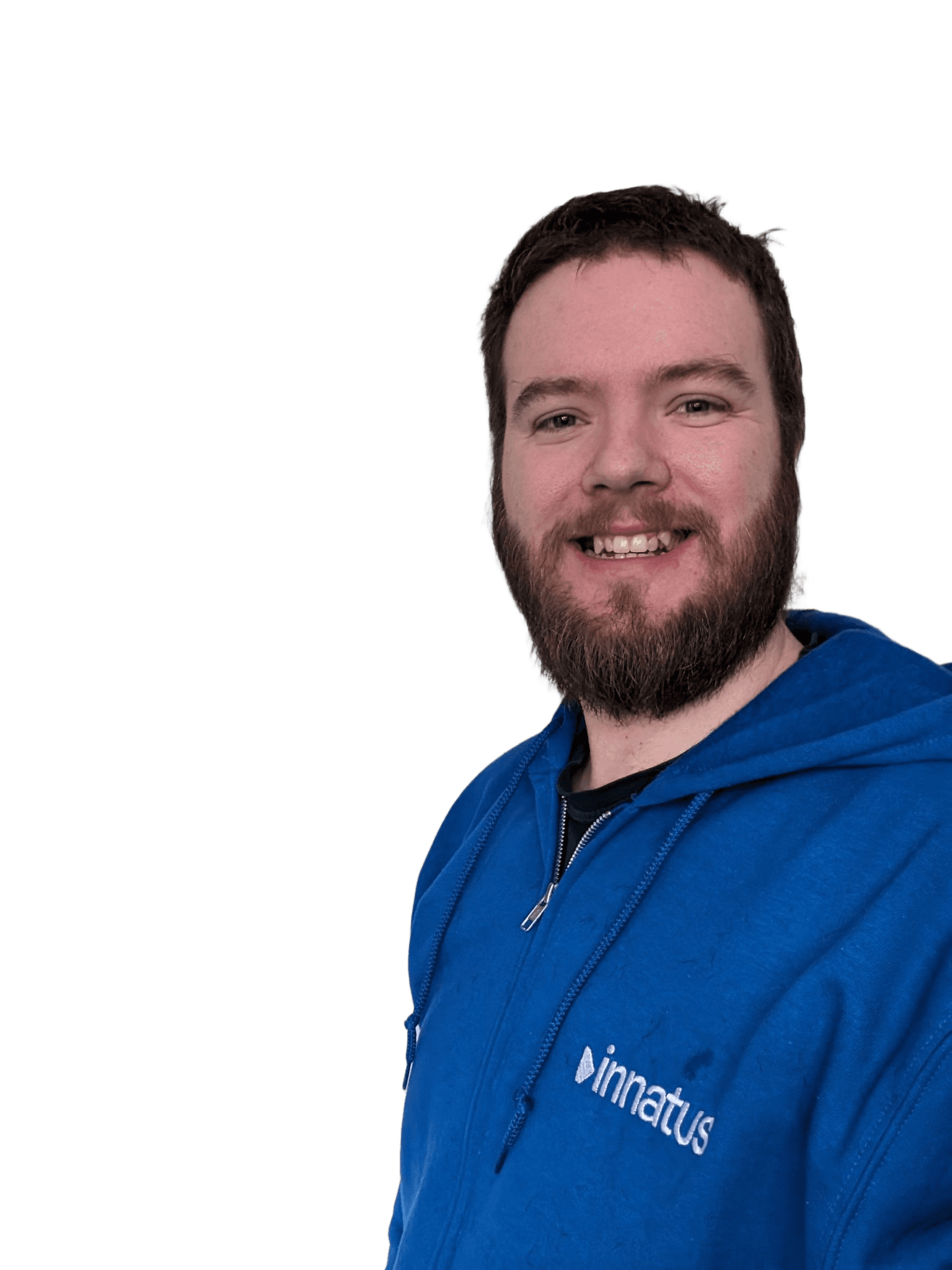
Chris Ryan
Managing Director
17+ years in full-stack web development, most of it leading teams agency-side across e-commerce, CMS platforms, and bespoke applications. Specialises in infrastructure, system integration, and data privacy, with hands-on experience as a Data Protection Officer. Founded Innatus Digital in 2020 to offer the kind of honest, technically-led partnership that he felt was missing from the agency world.